

Preventive Maintenance Plan: A Step-by-Step Guide (2025)
A Preventive Maintenance Plan is essential for ensuring asset longevity, reducing downtime, and improving operational efficiency. In 2025, businesses are under pressure to deliver more with fewer resources—making a well-structured maintenance strategy critical to success.
This comprehensive step-by-step guide will walk you through the full process of creating and implementing a Preventive Maintenance Plan using modern tools like CMMS (Computerized Maintenance Management Systems), while following SEO best practices for search visibility.
Table of contents
What is Preventive Maintenance?
Preventive Maintenance (PM) refers to regularly scheduled maintenance activities designed to reduce equipment failure, extend asset lifespan, and increase efficiency. It helps businesses avoid costly unplanned downtime by servicing assets before problems occur.
Preventive maintenance typically includes:
-
Equipment inspections
-
Parts replacements
-
Lubrication
-
Testing and adjustments
It’s a foundational element in any asset management system.

Why Preventive Maintenance is Important
In today’s fast-paced industries, unexpected equipment failure can result in major losses—both in time and money. That’s where preventive maintenance (PM) steps in as a smart, proactive strategy that helps organizations avoid costly downtime, maintain consistent performance, and extend the lifespan of critical assets.
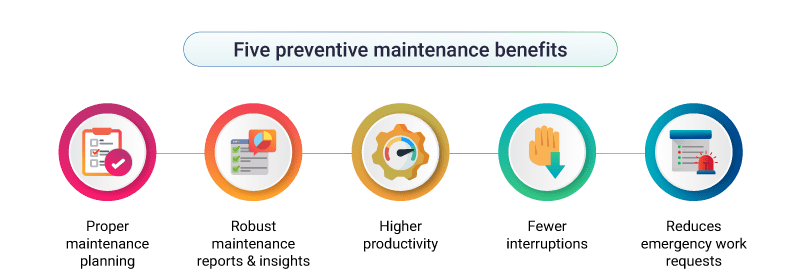
- Lower asset failure rates
- Optimized equipment performance
- Better workplace safety
- Lower maintenance costs over time
- Less emergency downtime
- Boost Equipment Reliability
With advancements in technology, businesses now use CMMS software to streamline and automate this entire process.
Types of Preventive Maintenance
There are several types of preventive maintenance strategies :
Industries That Use Preventive Maintenance
Step-by-Step Preventive Maintenance Plan
Step 1: Identify All Maintainable Assets
Build a full inventory:
-
Equipment type, model, serial numbers
-
Criticality ratings
-
Maintenance history logs
Step 2: Determine Preventive Maintenance Tasks
Define specific tasks:
-
Inspections
-
Replacements
-
Adjustments
-
Calibrations
Step 3: Establish Maintenance Frequency
Base your schedule on:
-
Time (e.g., quarterly)
-
Usage (e.g., after 500 hours)
-
Sensors (real-time alerts)
Step 4: Assign Responsibilities
Assign tasks to:
-
Internal technicians
-
External service providers
Step 5: Build Maintenance Checklists
Each asset should have a checklist:
-
Step-by-step instructions
-
Safety guidelines
-
Required tools
Step 6: Implement CMMS for Scheduling
A Computerized Maintenance Management System (CMMS):
-
Automates work orders
-
Sends task alerts
-
Tracks maintenance logs
Step 7: Train the Maintenance Team
Training ensures:
-
Safety compliance
-
Process consistency
-
Better CMMS usage
Step 8: Monitor & Improve
Track KPIs like:
-
Mean Time Between Failures (MTBF)
-
Downtime frequency
-
Maintenance cost vs. uptime
Use preventive maintenance analytics to fine-tune your approach.
Benefits of a CMMS in Maintenance Planning
A good CMMS provides: A well-structured maintenance plan is only as effective as the system used to manage it. That’s where a CMMS (Computerized Maintenance Management System) becomes essential. In 2025, companies that use CMMS software gain a competitive advantage by automating and optimizing their preventive maintenance processes.
📊 Auto-scheduling
🧰 Centralized data
📱 Mobile access
🧾 Compliance reporting
🧠 Predictive analytics
Platforms like IDS Tech CMMS offer flexible, scalable solutions for growing organizations.
Common Preventive Maintenance Mistakes
Avoid:
-
Skipping OEM recommendations
-
Neglecting training
-
Poor data logging
-
Manual task tracking
-
Over-maintaining non-critical assets

How to Improve Preventive Maintenance
Modernize your strategy:
📍 Integrate with IoT
🔄 Use historical data
📘 Create asset libraries
🧠 Add AI-powered forecasting
Conclusion
Creating a reliable Preventive Maintenance Plan using tools like CMMS software leads to better equipment performance, fewer breakdowns, and cost savings. In 2025, preventive maintenance isn’t optional—it’s essential.
Need expert support? 👉